

“Sustainable” gets slapped on packaging without much behind it more often than not. The brands actually worth your money back up the label with real certifications — GOTS organic, Fair Trade, B Corp — rather than vague marketing language. Here’s a rundown of the names that consistently earn that trust, across every budget.
Patagonia

If one brand sets the bar for the entire category, it’s Patagonia. It was the first Certified B Corporation in California back in 2012, its products are Fair Trade Certified sewn, and it’s been rolling out Regenerative Organic Certified cotton, which holds genuinely high standards for soil health, farmer treatment, and animal welfare. What really separates it from competitors is what happens after the sale — the Worn Wear program resells used gear, and the Ironclad Guarantee means a worn-out jacket gets repaired rather than tossed. It’s consistently ranked the most recognized sustainable clothing brand in consumer surveys, and for good reason.
Everlane

Everlane built its reputation on radical transparency, publishing actual factory cost breakdowns for a large share of its products so shoppers can see what the materials, labor, and markup actually come out to. If transparency is your top priority over any other single factor, this is the brand that leads the category on that front specifically.
Reformation
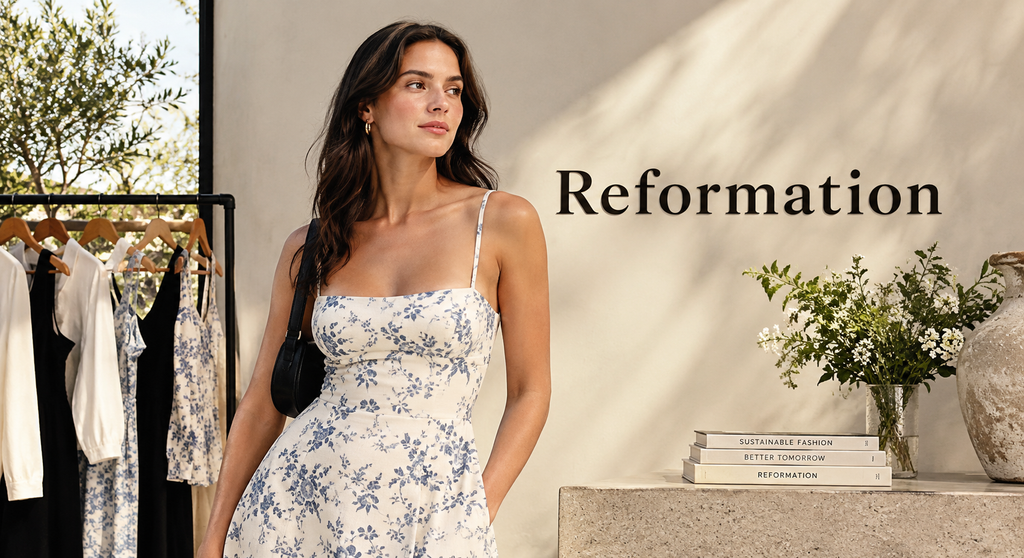
Reformation blends genuine style with real sustainability credentials, publishing quarterly sustainability reports that break down water, energy, and carbon footprint per product — a level of granularity that almost no other fashion brand matches. It’s best known for stylish occasion wear and dresses, proving sustainable fashion doesn’t have to mean sacrificing style for substance.
Pact

Pact, based in Colorado, is built around GOTS-certified organic cotton and Fair Trade Certified factories.Its basics lineup t-shirts, underwear, leggings, loungewear runs roughly $15 to $34, making it one of the most accessible certified-organic options currently on the market. If affordable, everyday staples with real certification are the priority, Pact is usually the first recommendation.
Allbirds
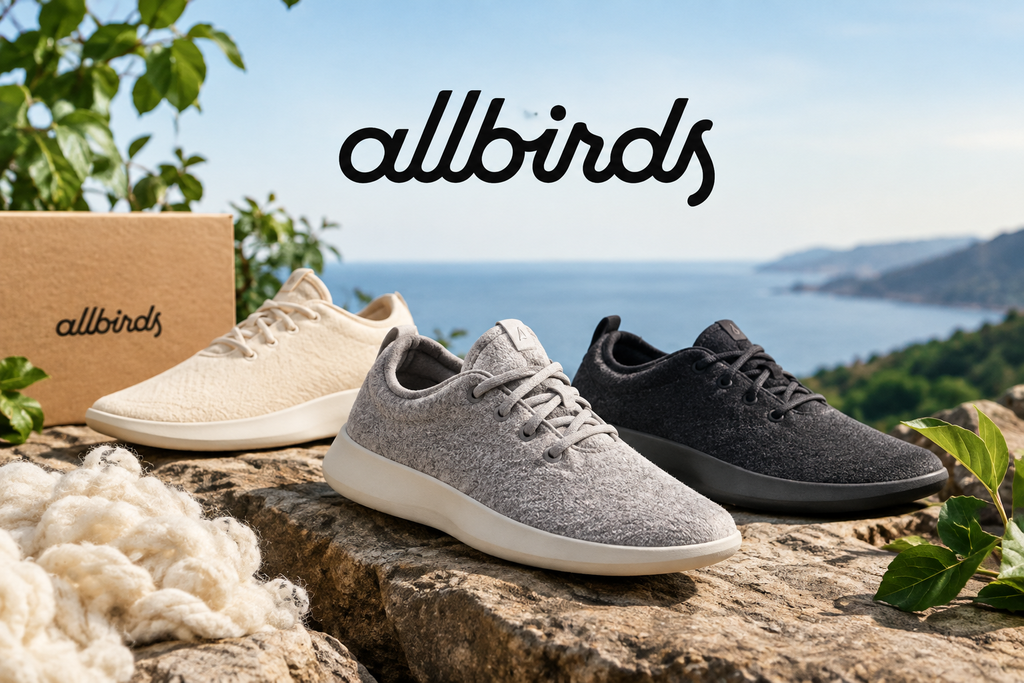
Allbirds leads the category specifically for sustainable footwear, tracking and publishing the carbon footprint on every product it sells. It’s expanded into apparel in recent years, carrying the same sustainability-first approach that built its shoe business into the rest of its product line.
Eileen Fisher

Eileen Fisher focuses on circular fashion and minimalist luxury, appealing specifically to shoppers who want timeless, investment-grade pieces rather than trend-driven purchases. Its resale and take-back programs reinforce the circular approach, aiming to keep garments in use rather than in landfills.
Girlfriend Collective
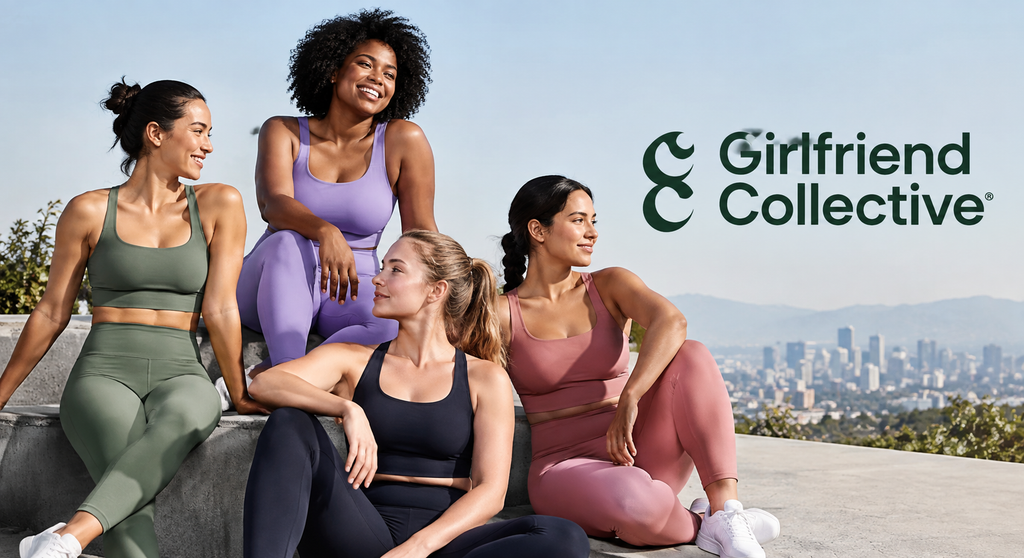
For sustainable activewear specifically, Seattle-based Girlfriend Collective leads the category, built around recycled materials and genuinely radical transparency about where and how its pieces are made.
Amour Vert
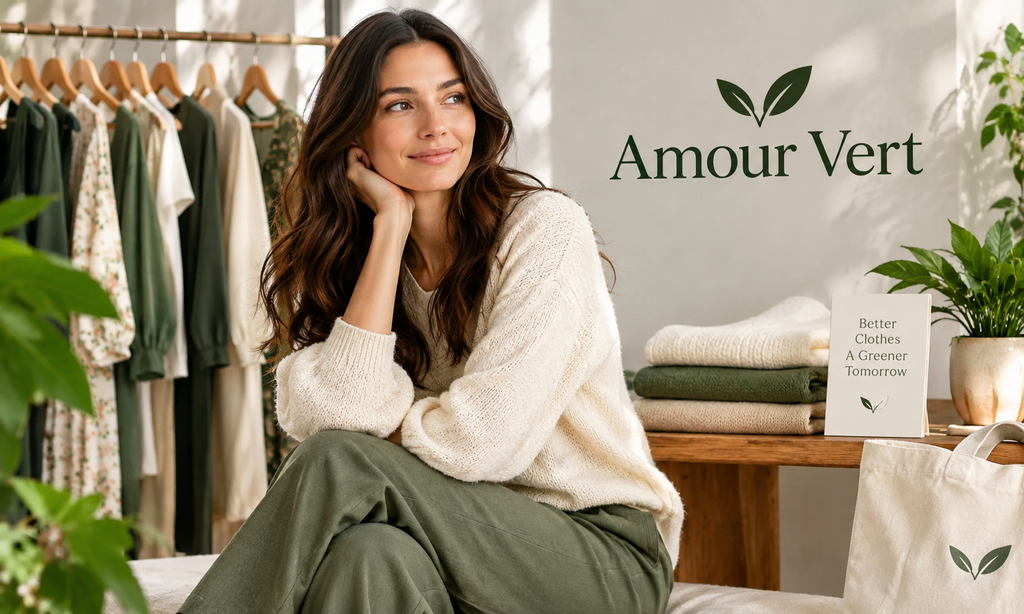
Amour Vert manufactures roughly 97% of its garments in California, and plants a tree in North America for every T-shirt purchased through a partnership with American Forests — more than 220,000 trees planted to date. Its core pieces lean on organic cotton and TENCEL blends for year-round, office-appropriate basics.
Harvest & Mill
For anyone who specifically prioritizes domestic supply chains, Harvest & Mill is worth knowing — every piece is made from 100% US-grown and US-milled cotton, with production based in Berkeley, California. It’s a genuinely rare claim in an industry where “Made in USA” often only covers the final assembly step rather than the entire supply chain.
Groceries Apparel
Groceries Apparel can legitimately claim every stitch is made in the USA, produced in its own Los Angeles facility — one of the few brands at its price point able to make that specific claim about the entire production process rather than just final assembly.
Toad&Co
Toad&Co, based in California, carries Eco Stylist Gold recognition and produces outdoor and everyday clothing with strong social accountability credentials layered alongside its environmental commitments.
How To Actually Evaluate A Sustainable Brand Yourself
A few questions cut through most of the marketing noise in this category. Does the brand publish real certifications — GOTS, Fair Trade, B Corp — rather than just using the word “sustainable” without backing it up? Does it offer repair, resale, or take-back programs that extend a garment’s life rather than just selling it and moving on? And is pricing transparent enough that you can see roughly where your money is actually going?
Brands that consistently pass that test tend to share the same traits: real certifications, genuine supply chain transparency, and a track record that goes back further than a single sustainability-themed marketing campaign.
The Bottom Line
You can genuinely build a full wardrobe from sustainable brands at this point though it usually means mixing a few different names across price points and categories rather than relying on just one.Patagonia remains the most trusted overall pick thanks to its certifications and after-sale programs, Pact and Everlane cover affordable and transparent basics, and Reformation proves sustainable fashion can still be genuinely stylish. The total cost tends to run higher than fast fashion, but buying fewer, longer-lasting pieces is really the whole point behind this approach to shopping in the first place.

