

Affordable and trendy don’t always show up in the same sentence without a catch — either the price is low and the quality falls apart after two washes, or the trendy pieces are locked behind a price tag that defeats the whole point of shopping on a budget. The good news is there’s a real middle ground now, and it’s wider than it used to be. This guide breaks down where to actually spend money if you want current, wearable style without the premium markup.
Why This Category Has Gotten Genuinely Better

Fast fashion used to mean an obvious trade-off cheap, trend-driven pieces that fell apart within a handful of wears.That’s shifted meaningfully over the past several years.Increased competition, better manufacturing partnerships, and a more style-conscious customer base have pushed even budget retailers to raise their baseline quality, particularly on core pieces they expect customers to keep buying repeatedly. The result is a genuinely wider range of affordable options that don’t feel disposable the moment you put them on.
The Fast-Fashion Staples
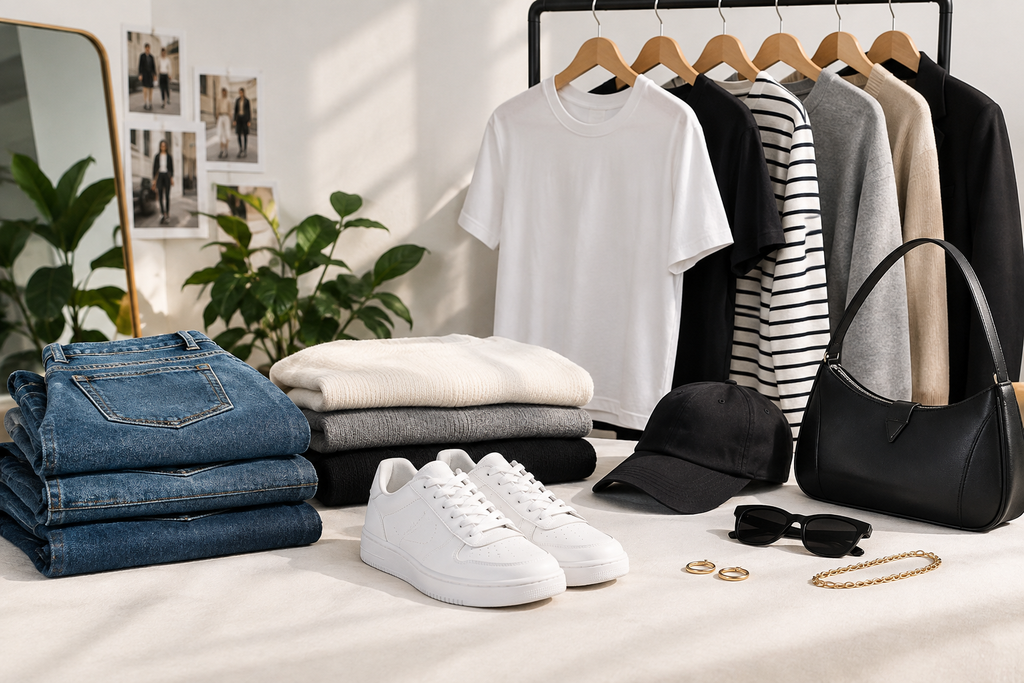
Zara is still the fastest at translating runway trends into something you can actually buy within weeks, not seasons. Its design team moves quickly to interpret what’s showing up on runways and in street style, getting those interpretations onto shelves faster than almost any other major retailer. The trade-off is consistency — some pieces hold up genuinely well over repeated wear, while others don’t, so it’s worth checking fabric content on the tag before adding something to your cart rather than assuming quality across the entire collection.
H&M covers a wider range than people often give it credit for — basics, formal pieces, and trend-driven items all in one place, with a growing share of the catalog made from recycled materials for shoppers who care about that alongside the price tag. H&M has genuinely improved its tailoring over recent years, particularly in categories like denim and structured trousers, closing some of the quality gap that used to separate it clearly from pricier competitors.
Mango has genuinely leveled up over the past few years in a way that’s hard to ignore. What used to read as clearly fast fashion now feels closer to a mid-tier brand, with tailored pieces like blazers and knit dresses that don’t scream “budget” the way they once did. Mango’s European design sensibility has also given it a distinct identity compared to Zara and H&M, leaning slightly more polished and put-together rather than purely trend-chasing.
The Slightly-Elevated Pick
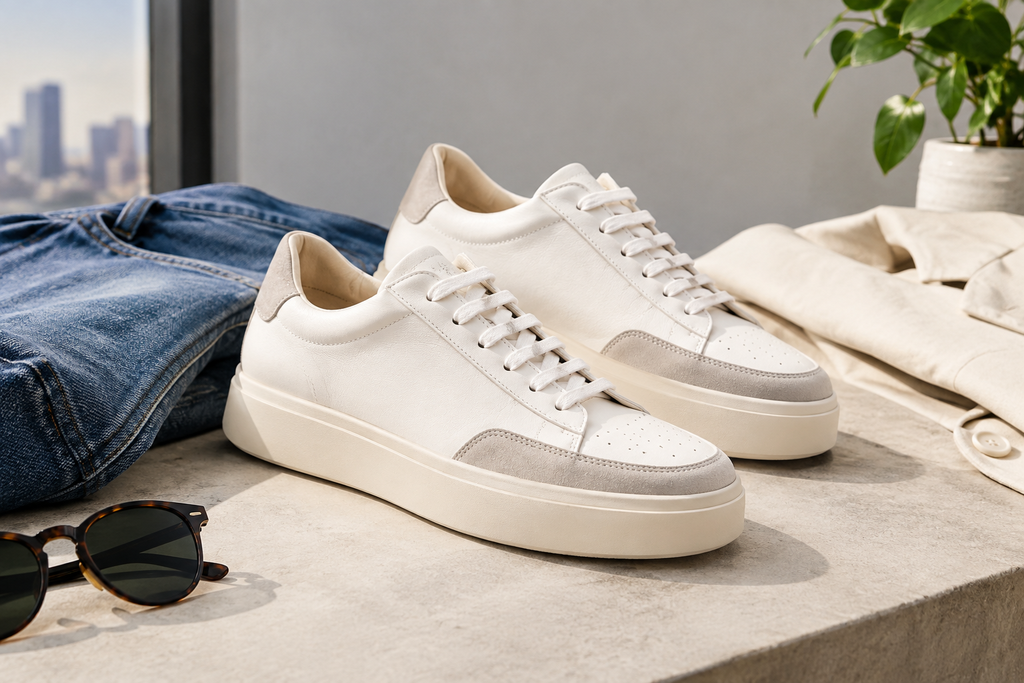
COS, owned by the same parent company as H&M, sits at the higher end of “affordable” but leans into architectural, minimalist pieces with noticeably better construction than most fast fashion. It’s the kind of place where a coat bought a few years ago can still get compliments today — the kind of longevity that’s rare at this price point. COS also tends to avoid chasing every micro-trend, instead offering a more consistent, slower-moving aesthetic built around clean lines and quality fabric, which makes its pieces age better in a wardrobe than more overtly trend-driven alternatives.
The Everyday Basics Brand
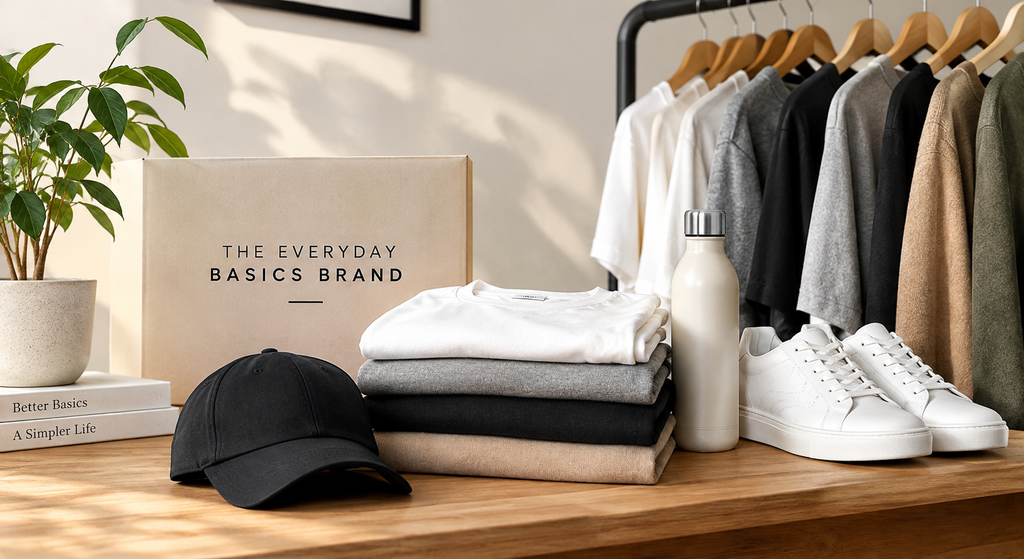
Uniqlo doesn’t chase trends the way Zara or H&M do, and that’s kind of the point. Their strength is in wardrobe fundamentals — well-made basics that quietly become the foundation everything trendy gets layered over. Uniqlo has also built a genuinely strong reputation for technical fabrics, particularly in categories like outerwear and base layers, where its Heattech and AIRism lines have developed loyal followings specifically for delivering real functional performance at an accessible price.
The One-Stop Aggregator
ASOS carries hundreds of brands under one roof, including its in-house ASOS Design line, which consistently gets singled out for solid basics and trend pieces at prices that undercut a lot of standalone retailers. The sheer breadth of ASOS’s catalog is its biggest advantage — you can genuinely find both budget staples and slightly higher-end labels in the same checkout, which makes it useful for building an entire outfit in one place rather than shopping across multiple sites.
The Secondhand Route
Resale platforms like Depop and ThredUp deserve more credit than they usually get in these conversations.A lot of genuinely trendy, higher-quality pieces show up secondhand for a fraction of retail, and buying resale is one of the more straightforward ways to get trend pieces without contributing to the churn that fast fashion is often criticized for. Depop in particular has become a genuine trend incubator of its own, with individual sellers often ahead of mainstream retailers in spotting and reselling emerging styles. ThredUp, by contrast, functions more like a curated secondhand department store, making it easier to search by size, brand, and category rather than browsing individual seller listings.
Other Names Worth Knowing
Beyond the core names above, a few additional retailers are worth keeping on your radar.Princess Polly and Motel Rocks have built strong followings specifically among younger shoppers looking for trend-forward pieces at accessible prices, often leaning into whatever aesthetic is currently dominating social media.Pull&Bear and Bershka, both under the same parent company as Zara, offer a slightly younger, more casual take on similar trend-driven pieces, often at an even lower price point. And Shein, despite its well-documented controversies around labor practices and environmental impact, remains one of the fastest-moving retailers in terms of translating trends into product — worth knowing about even if you choose to shop elsewhere for ethical reasons, since its speed often signals which trends are about to go mainstream.
How To Tell Good Quality From Bad At A Glance
A few quick checks can save you from a disappointing purchase before you even get to the checkout page.Feel the fabric weight through product photos or, better yet, in person — thin, see-through fabric rarely holds up well over repeated washes.Check the stitching in close-up photos where available; uneven or loose stitching along seams is often a sign of rushed manufacturing. And pay attention to fabric composition listed on the product page: a higher percentage of natural fibers like cotton, linen, or wool generally indicates a more durable, breathable piece than something made almost entirely from polyester.
How To Actually Shop This Way Without Regret
A few habits make the biggest difference regardless of which brand you’re buying from. Check the fabric composition before checkout, since cotton blends generally hold up and breathe better than pure polyester, particularly for pieces you plan to wear often. Read a handful of recent reviews rather than trusting product photos alone — reviews often reveal sizing inconsistencies or quality issues that professional product photography conveniently leaves out. And save the higher-quality purchases for pieces you’ll wear constantly, spending less on anything that’s clearly a short-lived trend you expect to retire within a season or two.
Building A Wardrobe Strategy Around Affordable Trend Pieces
The smartest approach to affordable trendy shopping isn’t buying everything at the same budget level — it’s being strategic about where you spend more and where you spend less. Foundational pieces you’ll wear year-round, regardless of what’s trending — a good pair of jeans, a versatile blazer, quality basics — are worth investing slightly more in, even within a budget retailer’s higher-tier offerings. Trend-driven pieces you expect to wear heavily for one season and then retire are exactly where the cheapest, most disposable options make the most sense, since spending more on something you already know has a short shelf life in your wardrobe doesn’t offer much return.
This approach also naturally reduces waste over time. Rather than buying an entire trend-driven outfit at the same low price point and having all of it wear out simultaneously, mixing investment basics with cheaper trend pieces means you’re replacing only the trend items regularly while your foundational pieces continue holding up in the background.
Timing Your Purchases Around Sales
Nearly every retailer covered here runs regular sales, and timing purchases around those cycles can meaningfully stretch a clothing budget further without sacrificing style.End-of-season clearance sales are typically the deepest discounts available, though selection narrows considerably by that point. Signing up for email newsletters from your preferred retailers is a simple, low-effort way to catch flash sales and subscriber-exclusive discount codes before they’re widely publicized elsewhere.
The Bottom Line
Affordable doesn’t have to mean disposable. The brands above prove there’s a real range between “cheap and falling apart” and “trendy but overpriced” — it just takes a little more attention to find the pieces that actually land in that sweet spot. Whether you’re shopping Zara for the newest trend translation, Uniqlo for a genuinely durable basic, or Depop for a secondhand find nobody else will have, the tools for building a stylish, affordable wardrobe have never been more accessible than they are right now.

