

A real lifestyle brand does more than sell a product — it sells an identity people actually want to buy into. Ranking these isn’t an exact science, but weighing heritage, cultural influence, and how genuinely the brand has shaped how Americans dress, work out, and decorate their homes gives a reasonably solid order. Here’s how the field stacks up.
1. Ralph Lauren
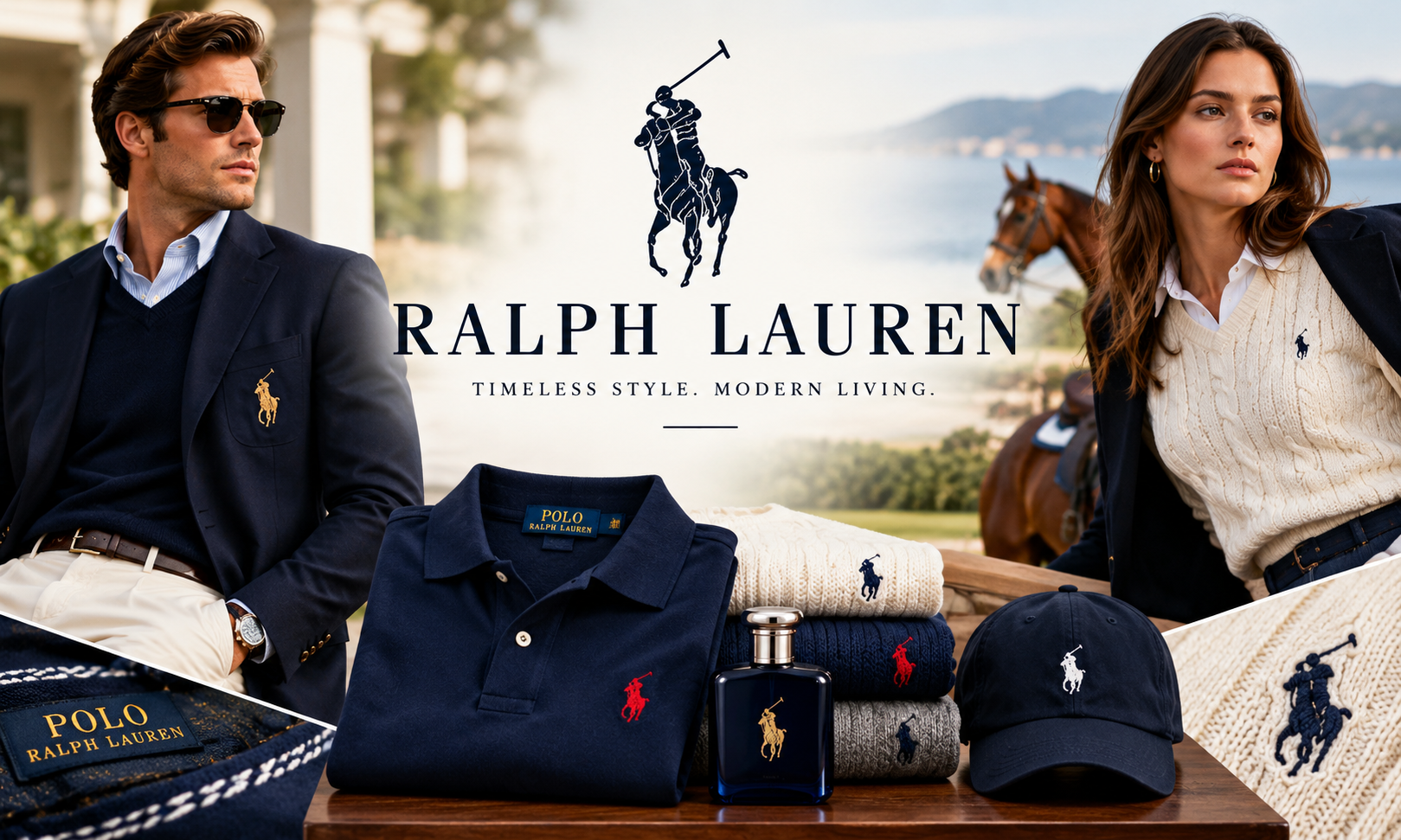
Ralph Lauren basically invented the idea of “American lifestyle” as its own marketing category. The polo shirt, the preppy East Coast aesthetic, the notion that clothing could sell an entire world rather than just an outfit — all of it traces back here. Over fifty years in, it remains one of the most recognized brand symbols on the planet, spanning everything from apparel to home furnishings.
2. Nike
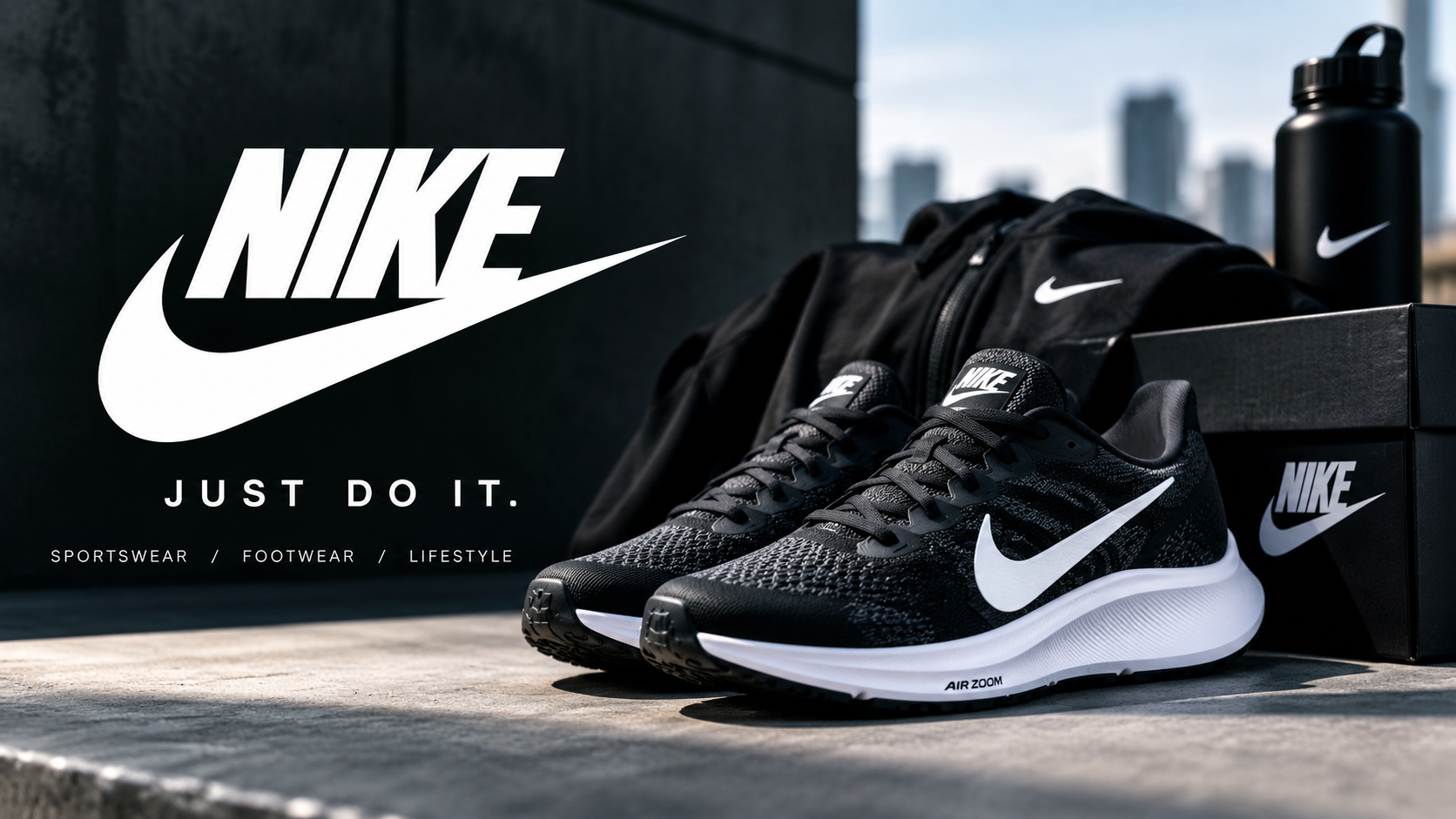
Nike’s reach extends well past athletic performance into genuine lifestyle territory, through its Tech Fleece line, the Jordan brand, and decades of sneaker culture that shaped how casual footwear is worn far beyond the gym or the court. Few brands have blurred the line between “athletic” and “everyday” as thoroughly or as successfully.
3. Patagonia
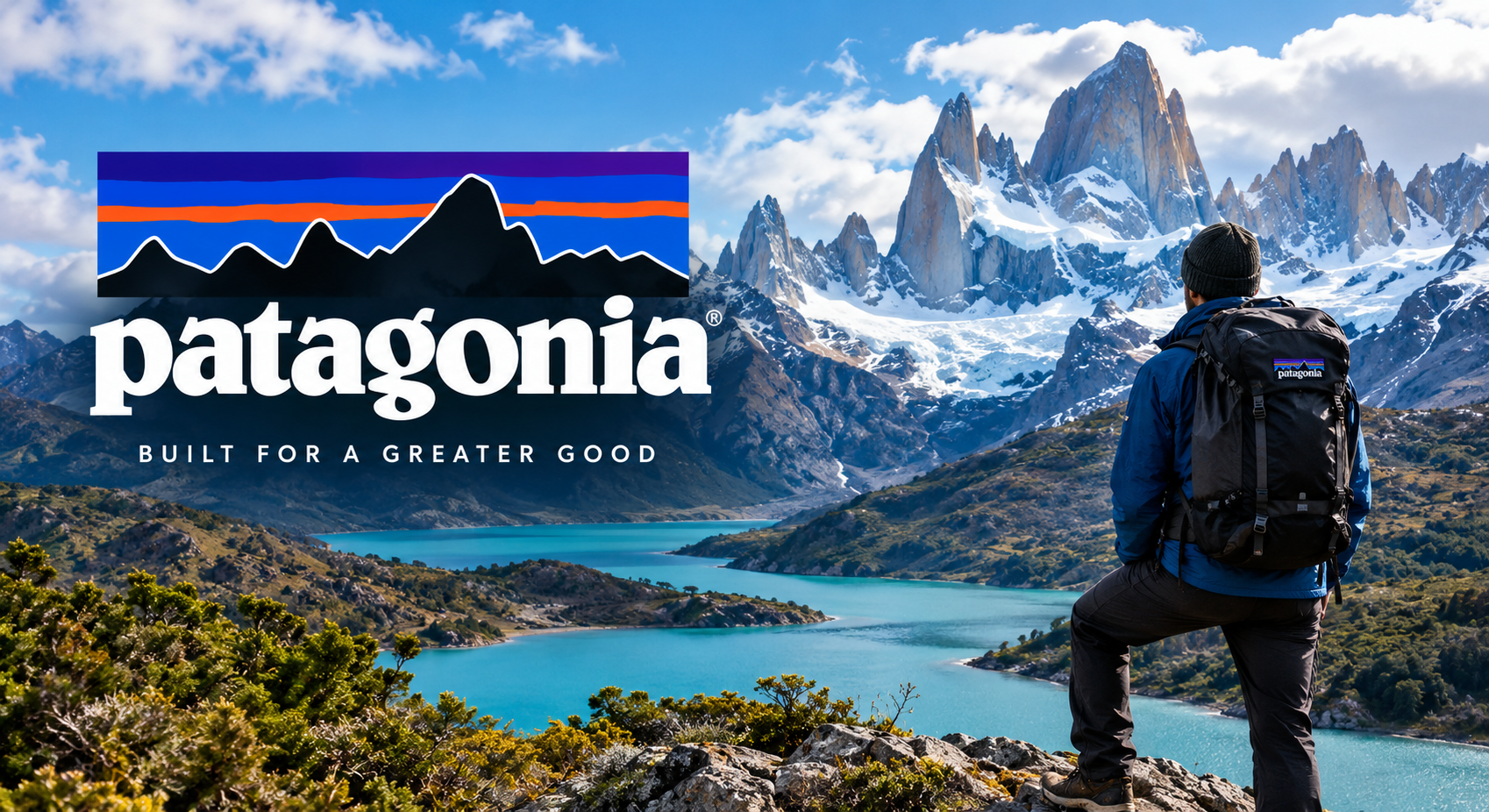
Patagonia earns its spot near the top for reasons beyond just product quality. It was the first Certified B Corporation in California, its Worn Wear program actively resells used gear, and its Ironclad Guarantee means a worn-out jacket gets repaired rather than replaced. Few brands have built genuine trust this deep into their identity, which is really what separates a lifestyle brand from a company that simply sells clothes.
4. Lululemon
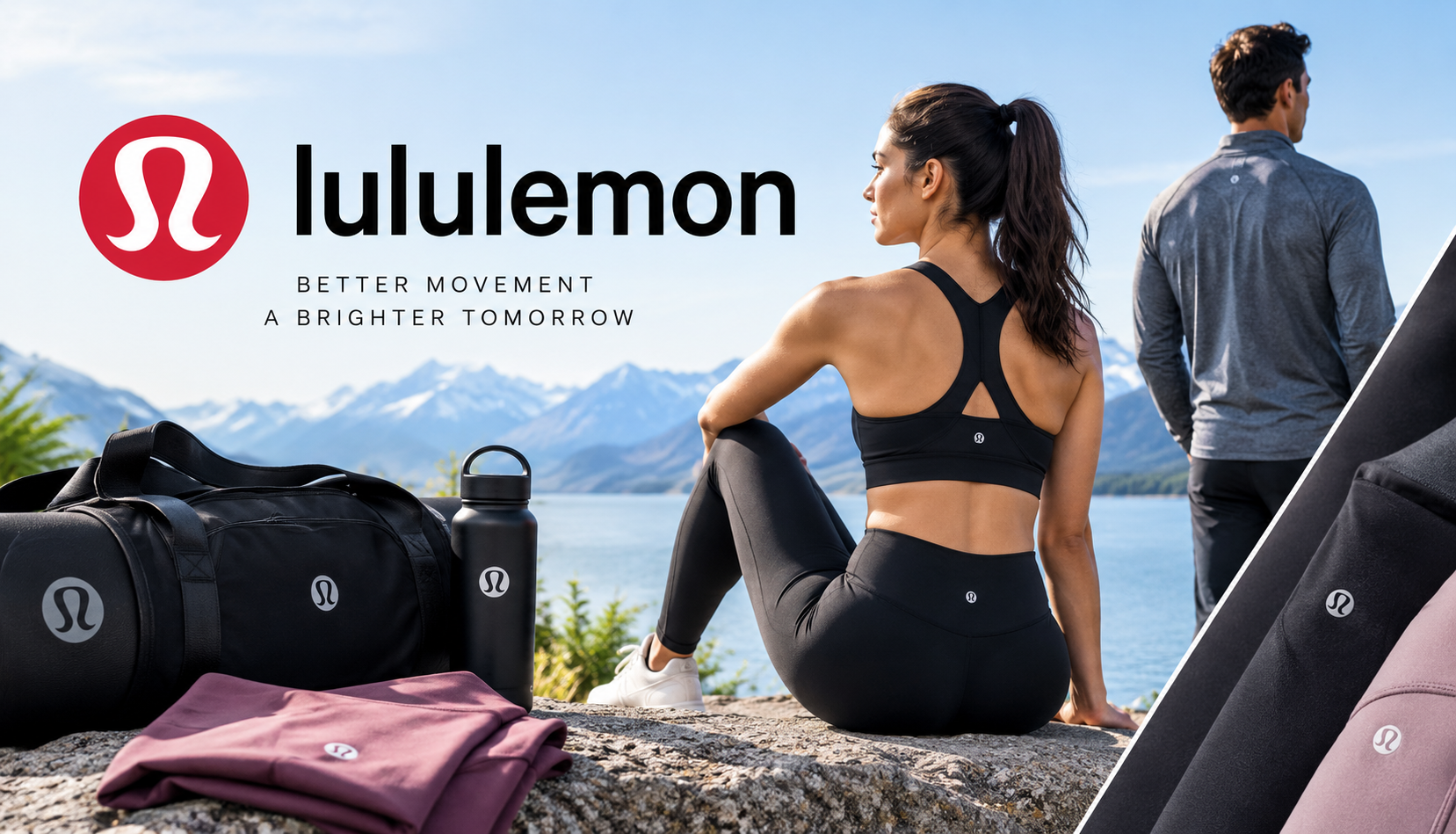
Lululemon didn’t just sell yoga pants — it built an entire culture around athleisure before that word even existed, blurring the line between workout clothes and everyday clothes for good. It remains the reference point every other athleisure brand gets measured against, with premium fabrics and a lifestyle-first positioning that’s proven difficult for competitors to fully replicate.
5. Levi’s
Levi’s is about as close to an American institution as clothing gets. Jeans existed before Levi’s, but the brand turned them into a cultural symbol that’s outlasted nearly every fashion trend released since. Its influence on casual American style runs so deep it’s almost invisible at this point.
6. Yeti

Yeti started as a cooler company and somehow became shorthand for outdoor durability in general. It’s a rare case of a single product category becoming a full lifestyle identity — camping, tailgating, road trips, all wrapped into one logo, with a price premium customers pay without much hesitation because the durability genuinely backs it up.
7. Apple
Apple belongs on a lifestyle brands list, not because it sells phones, but because it changed what people expect design and simplicity to look like across nearly every product category, not just electronics. Its influence extends into how homes are organized, how work gets done, and what “well-designed” even means to an average consumer.
8. Williams Sonoma
Williams Sonoma turned cooking into an aspirational lifestyle rather than just a chore, and its influence stretches across everything from cookware design to how American kitchens get laid out. Few home brands have shaped domestic life as thoroughly while staying genuinely relevant decade after decade.
9. Herman Miller
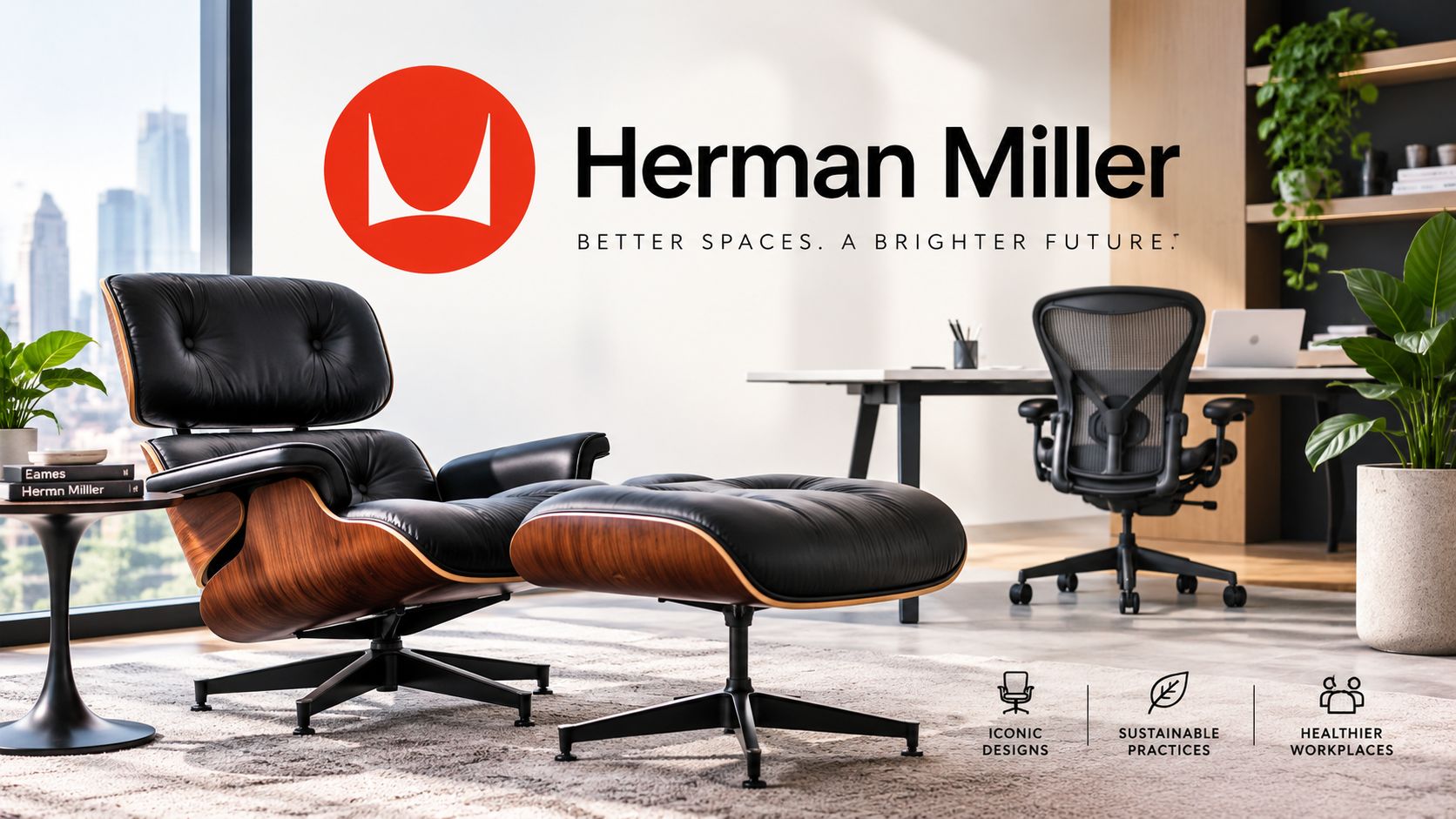
Herman Miller did for office furniture what Apple did for tech — the Aeron chair alone changed how people think about ergonomic design as something genuinely worth investing in, rather than a purely functional afterthought.
10. Alo Yoga
A newer name relative to the rest of this list, but one that’s turned yoga-inspired design into a genuine global lifestyle aesthetic in a remarkably short time. Its aspirational social media positioning has driven a level of cultural reach that few independent athleisure brands have matched, making it one of the fastest-growing challengers to Lululemon’s dominance.
How This Ranking Was Built
The order above weighs a few specific factors: genuine cultural influence beyond just sales figures, how long a brand has sustained that influence rather than riding a single viral moment, and whether the brand backs up its identity with real substance — quality, repair programs, design integrity — rather than marketing alone. Heritage brands like Ralph Lauren and Levi’s rank highly because their influence has proven durable across decades, while newer entrants like Alo Yoga earn a spot for genuine, rapid cultural impact even without the same length of track record.
The Bottom Line
What separates a true lifestyle brand from a company that simply sells products is whether people are buying into an identity, not just an item.Every name on this list has done that successfully, whether through decades of heritage, a genuinely sustainable business model, or product design that’s reshaped an entire category. Ralph Lauren tops the list for inventing the category outright, but the brands below it have each left a real, lasting mark on how Americans live, dress, and furnish their lives.

