

Direct-to-consumer used to just mean “sold online.” Now it’s basically its own category of fashion, built around cutting out department store markup and being genuinely upfront about materials, factories, and pricing. Some of these brands have quietly changed what people expect from a basic t-shirt, a pair of jeans, or a pair of boots. Here’s a detailed look at where to actually spend money in this space right now, and what separates the brands worth trying from the ones riding pure marketing.
Why DTC Fashion Has Gotten So Much Better
The direct-to-consumer model isn’t new, but the quality bar within it has risen significantly. Early DTC brands often competed almost entirely on price and convenience — cheaper basics, shipped straight to your door, with fairly generic branding around “disrupting” retail. The brands that have actually lasted into 2026 have done so by combining that lower-cost structure with real product quality, genuine sustainability commitments, and transparent sizing data pulled from actual customer reviews rather than idealized brand photography. That shift is really what makes this current generation of DTC fashion worth paying attention to.
Everlane
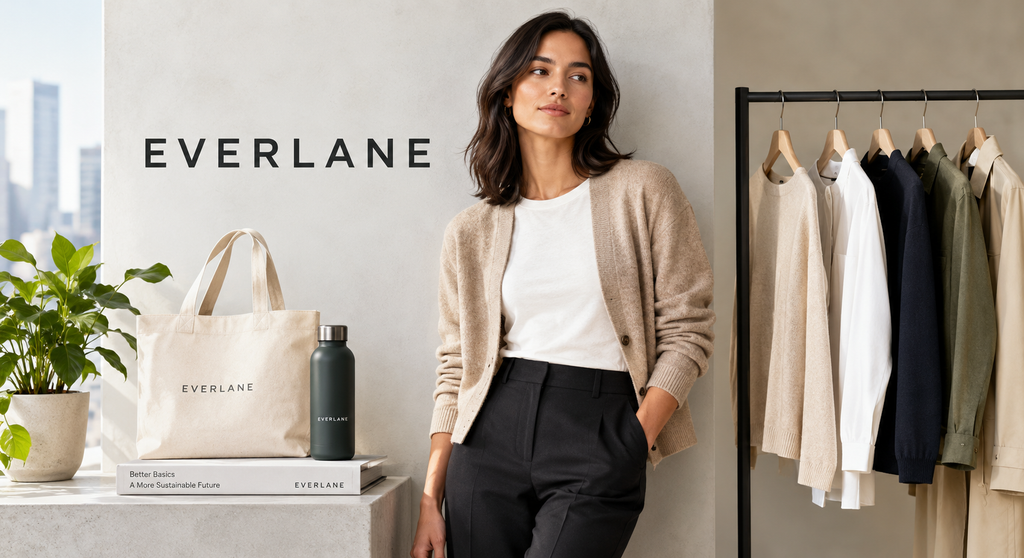
Everlane built its entire reputation on what it calls Radical Transparency. For a large portion of its product line, it publishes an actual cost breakdown and names the specific factories involved in production, so shoppers can see roughly what the fabric, labor, and markup actually come out to on any given item. The clothes themselves stay firmly in clean, minimalist territory — tees, denim, sweaters, and workwear built to stay relevant for years rather than a single season.
It’s best suited for anyone who wants timeless basics and genuinely likes knowing exactly how a garment is priced before buying. Tees run around $30, and denim starts from roughly $88, putting it solidly in the mid-range price tier compared to both fast fashion and traditional retail.
Quince

Quince sells premium materials at genuinely surprising prices by going factory-direct and keeping markups deliberately low throughout its supply chain. Cashmere sweaters, silk pieces, and leather goods routinely cost a fraction of what comparable items run at traditional luxury retailers, without an obvious drop in the materials themselves. It’s become the default recommendation for budget-conscious shoppers who want genuinely luxury fabrics without the luxury price tag attached to them.
One honest caveat worth knowing before buying: the softest cashmere pieces can pill a bit faster than a denser, more structured knit would. If long-term durability matters more to you than initial plushness, it’s worth setting slightly more realistic expectations, or opting for a more tightly woven piece within the lineup rather than the loosest, softest option available.
Vuori
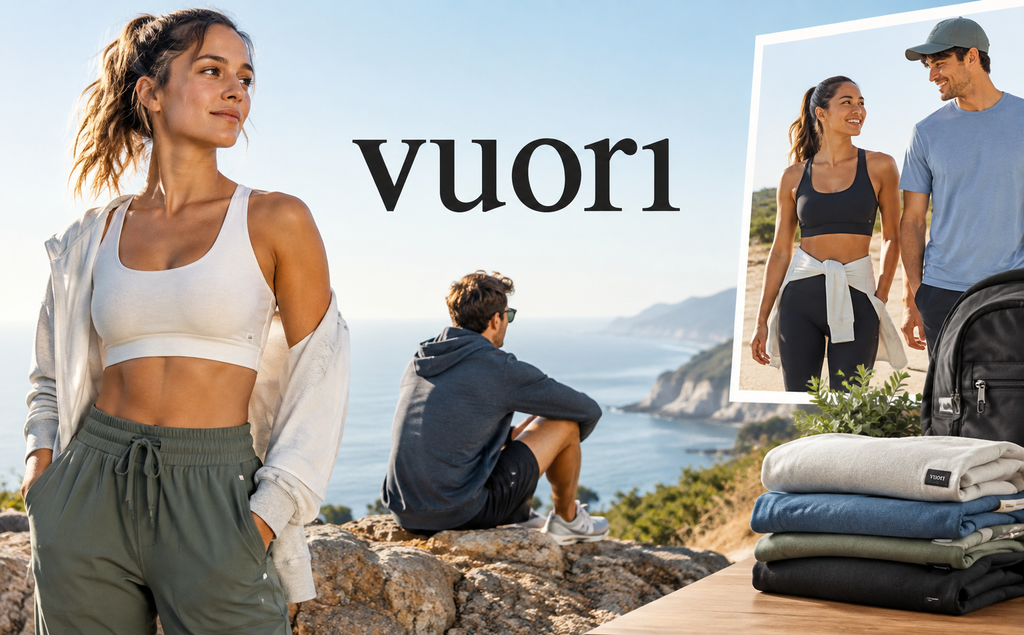
Vuori makes soft, performance-focused activewear that reads as a genuine West Coast alternative to Lululemon, rather than a direct copy. Founded in 2015 in Encinitas, California, it leaned hard into comfort-first technical fabrics from the outset and grew fast enough to reach a near-billion-dollar valuation within a decade.
What sets Vuori apart from a lot of competitors in the activewear DTC space is a storefront and brand experience that treats the customer more like a genuine participant in the brand rather than simply a transaction. Product pages and community content feel built around real users and their actual training or lifestyle habits, rather than exclusively polished, aspirational ad campaigns — a distinction that shows up in how loyal its customer base has become.
Buck Mason
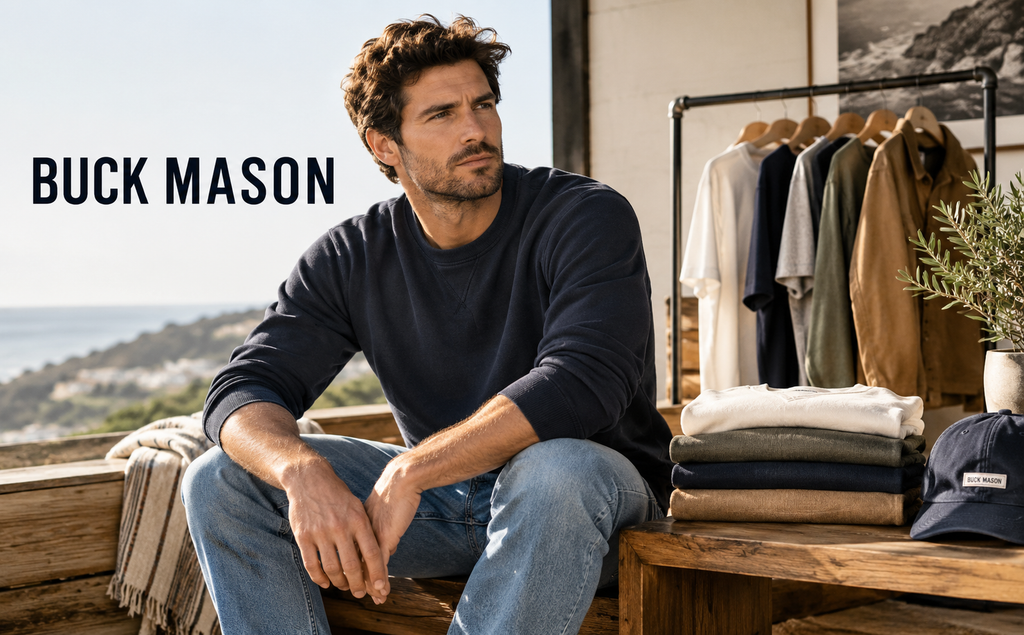
Buck Mason has built a genuinely loyal following around elevated basics carrying a distinctly American, workwear-adjacent sensibility.Think well-made tees, henleys, and denim that feel a meaningful step more considered than typical fast fashion, without ever tipping into full designer pricing. It occupies a useful middle ground for shoppers who want basics with a bit more character and durability than the absolute cheapest options on the market, but who aren’t necessarily chasing full luxury branding either.
Allbirds
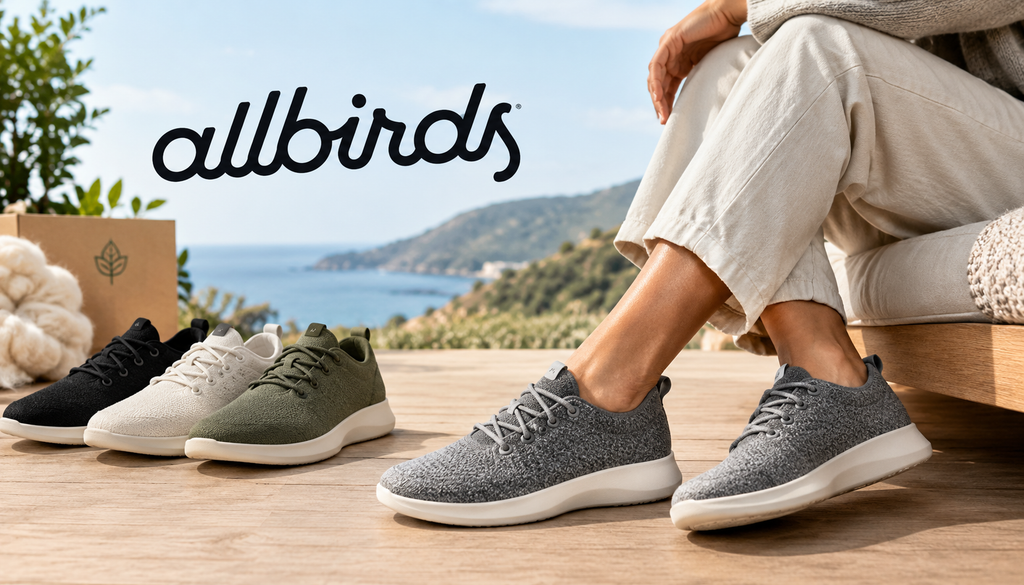
Allbirds remains a Certified B-Corp, known primarily for comfortable shoes made with merino wool, with shoe boxes constructed from 90% post-consumer recycled cardboard. It’s expanded meaningfully into apparel for both men and women in recent years, extending its sustainability-first approach well beyond just footwear into a broader everyday wardrobe.
The brand’s appeal really comes down to a consistent set of values applied across an expanding product range — natural materials, genuine environmental accountability, and a comfort-first design philosophy that carries over from its original shoe lineup into everything it’s added since.
Skims
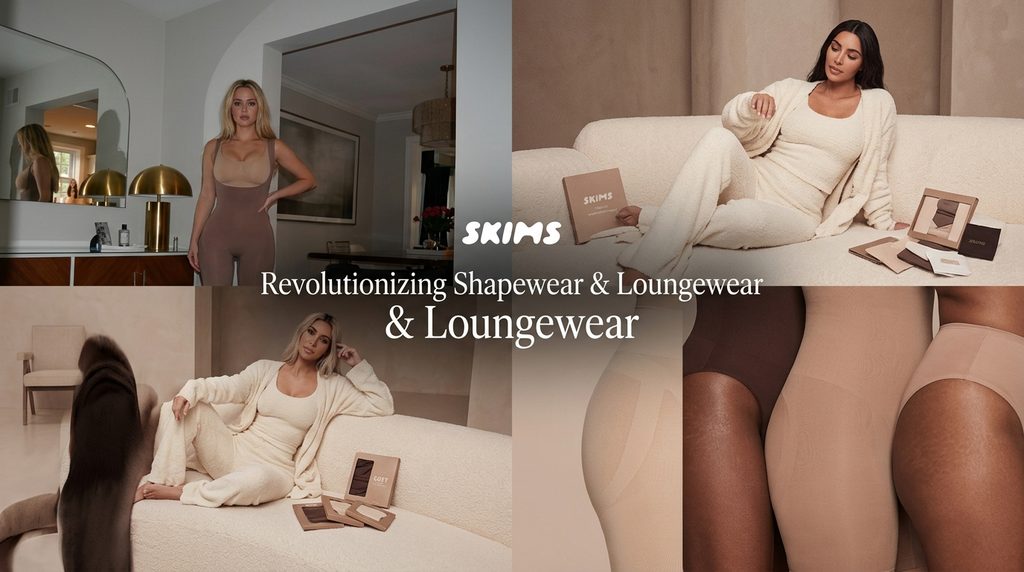
Skims has moved well beyond its early reputation as a celebrity side project and become a genuinely serious, established player in the broader clothing world. Known mainly for shapewear and loungewear made from technical fabrics that stretch effectively without losing their shape over repeated wear, it’s opened several flagship physical stores by 2026, making its genuinely inclusive size and skin-tone ranges considerably easier to shop and try on in person, rather than guessing entirely based on online sizing charts. People tend to keep buying from Skims specifically because the fabrics hold up to genuinely comfortable everyday wear, not just a single photoshoot.
Tecovas
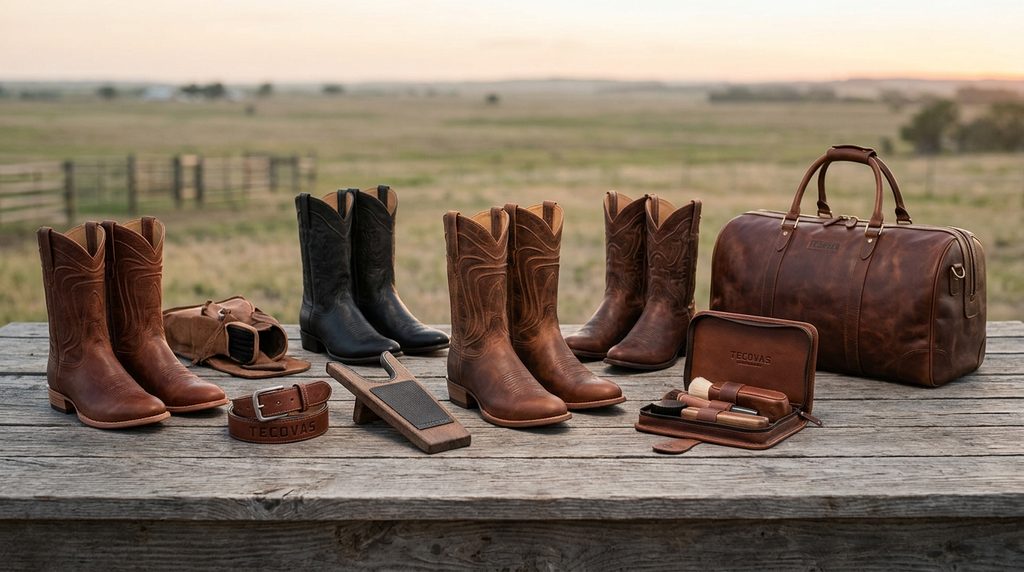
Tecovas applies the DTC playbook specifically to Western boots and leather goods, offering genuinely well-made cowboy boots at a meaningful fraction of traditional bootmaker prices by cutting out the usual layers of retail middlemen involved in that category. For anyone who’s priced out traditional Western boot brands and assumed quality leather boots were simply out of reach financially, Tecovas has become a genuinely credible alternative worth investigating.
Reformation
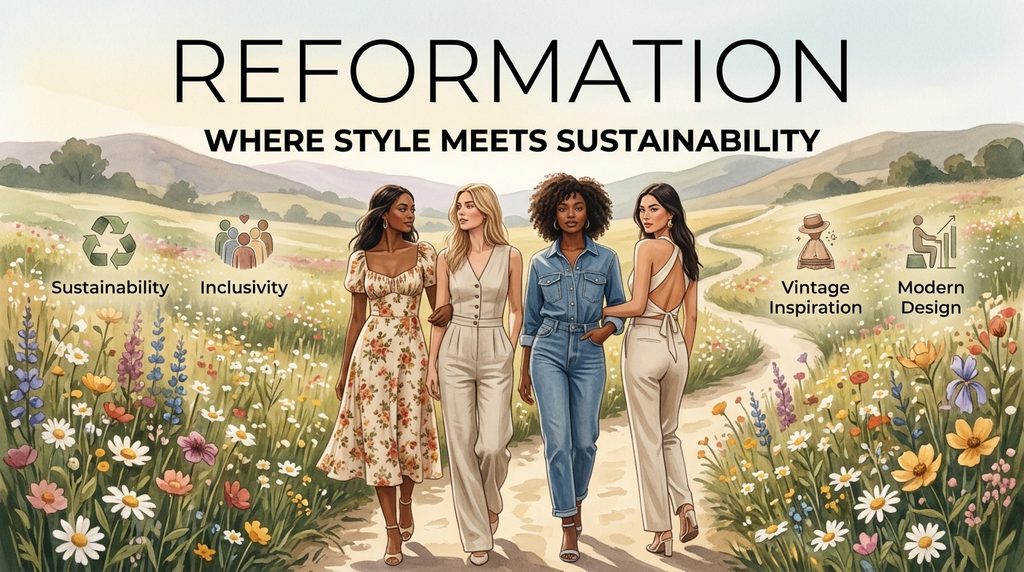
Reformation has built one of the more defensible positions in sustainable DTC fashion specifically by pairing real, substantive brand values with genuine execution rigor — accurate sizing information, strong and responsive customer service, and product pages backed by dense, authentic customer reviews rather than exclusively polished marketing photography. The size and fit data the brand surfaces, sourced directly from reviewer reports rather than idealized brand sizing, has become genuinely best-in-class within the category, which matters enormously for a brand selling primarily through online channels.
Cuts Clothing And Boyish Jeans
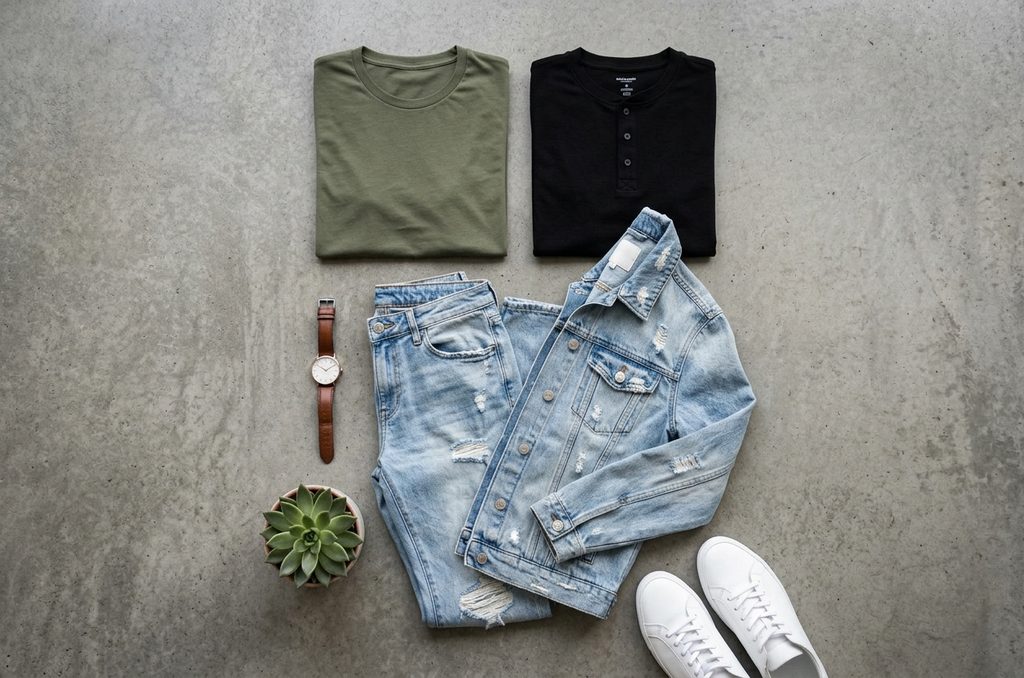
Two smaller, somewhat lesser-known names are worth specifically calling out here. Cuts Clothing has built one of the cleanest mid-market men’s apparel storefronts currently operating on Shopify, with restrained, deliberately understated product photography that reads as more authentic than the overly polished imagery a lot of competitors lean on. Its review density on best-sellers — including more than 5,000 reviews on its signature crew tee alone — is genuinely unmatched within its specific category, and its brand voice manages to stay confident without ever tipping into loud or overbearing marketing language.
Boyish Jeans is something of a sleeper pick within DTC denim specifically. It’s quietly built a genuinely strong storefront that out-converts much of the category through smart use of real fit imagery, deep reviewer photo galleries featuring actual customers in real fits rather than exclusively professional models, and one of the cleanest, most genuinely useful size-finder tools currently available in DTC denim. It’s a solid proof point that competing effectively in this space doesn’t require a nine-figure marketing budget — smart, customer-centered storefront craft can meaningfully outperform brands with far larger advertising spends.
Other Names Worth Knowing
A handful of additional brands round out the current DTC landscape worth being aware of.Pact focuses specifically on affordable, organic cotton essentials, built around the premise that genuinely sustainable clothing shouldn’t require a premium price tag to access.Kotn has reshaped the supply chain for premium cotton by sourcing ultra-luxurious, long-staple Egyptian cotton directly from independent family farms in the Nile Delta, eliminating predatory middlemen while ensuring smallholder farming partners receive fair, above-market wages. Cuyana, built around the philosophy of “fewer, better things,” creates classic capsule-wardrobe apparel and structured leather goods intended to be treasured for a lifetime rather than discarded after a season or two. And Warby Parker, while technically an eyewear brand rather than clothing, remains one of the original and most consistently well-regarded names in the broader DTC category, having genuinely proven out the direct-to-consumer model well before much of this current wave of brands existed.
What Actually Makes A DTC Brand Worth Trying
A few consistent traits separate the brands genuinely worth your money from the ones riding pure marketing momentum without the substance to back it up. Genuine transparency about pricing and sourcing is one of the clearest signals — brands willing to actually show their cost breakdown, the way Everlane does, tend to have less to hide about their actual materials and labor practices. Consistent sizing backed by real, verifiable customer feedback rather than just idealized brand photography is another meaningful differentiator, since sizing inconsistency remains one of the most common frustrations with online-only shopping. And materials that genuinely hold up to the specific claims made about them — durability claims that survive actual months of wear, not just a first impression — separate the brands built for the long term from ones optimized purely for a first purchase.
How To Actually Shop This Category Smart
A few practical habits make a real difference when shopping DTC fashion specifically. Reading recent reviews carefully, rather than just the curated testimonials featured on a brand’s own product pages, tends to surface sizing issues and durability concerns much faster than marketing copy ever will. Checking a brand’s actual return policy before ordering matters more here than with traditional retail, since fit issues are considerably more common without a fitting room to rely on first. And treating price as one factor among several — rather than the only deciding factor — tends to produce better long-term satisfaction, since the cheapest option within a given category isn’t always the one that will still look and perform well a year down the line.
The Bottom Line
The DTC fashion space has matured well past its early “basic tee in a nice box” phase. Whether you’re specifically after everyday basics, technical activewear, shapewear, leather boots, or genuinely sustainable materials, there’s a strong, well-reviewed direct-to-consumer option available in nearly every category at this point — and in most cases, it offers meaningfully better value than what you’d find walking into a traditional department store and paying for several layers of retail markup along the way.

